How Technopack Survived Blackouts and War – and Turned the Crisis into UAH 3M in Development Investments.
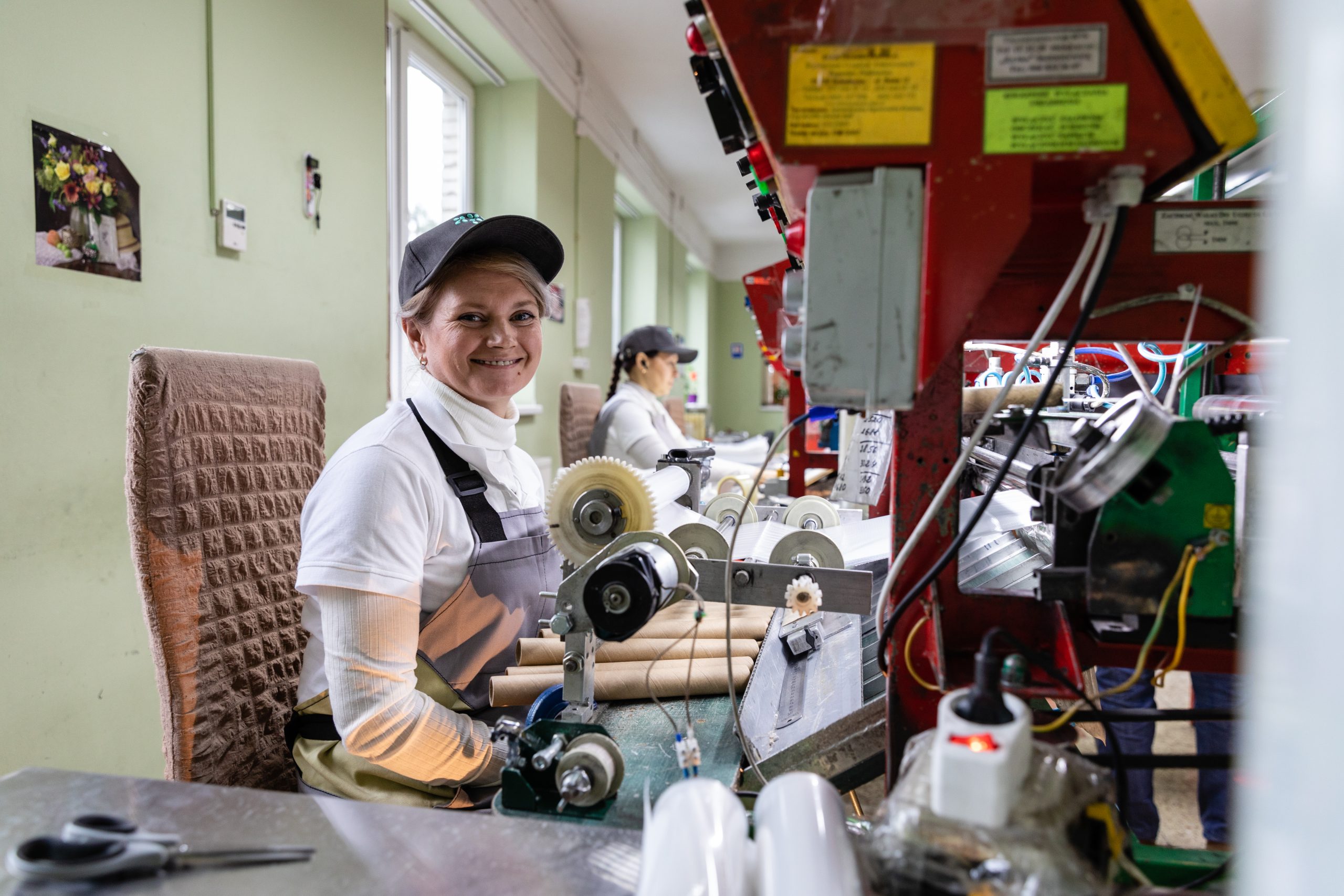
In October 2022, when Ukraine spent hours in darkness every day and life boiled down to searching for generators, power banks, and water supplies, one Ukrainian manufacturer had to undergo its own survival test.
At that moment, Technopack changed its director. The story sounds like a movie plot: experienced lawyer Oleksandra Shymborska becomes the head of a family business in one day and has to save the production — without electricity, without guarantees, without experience in managing such an enterprise.
Three years after this setback, the company is not only operating but also modernizing its production, expanding its product lines, investing in technology, and is considered one of the most resilient companies in the flexible packaging industry. This is partly thanks to preferential loans and grants, which greatly helped the company in difficult conditions.
“I joined the company when it seemed that the darkness of autumn was about to engulf everything. But when there is no light, you have to turn it on yourself,” the director says.
This is a long read about how a small Ukrainian manufacturer went through the worst period in modern history and found a way not only to survive, but to grow.
The Family Business You’ve Never Heard Of — But Use Every Day
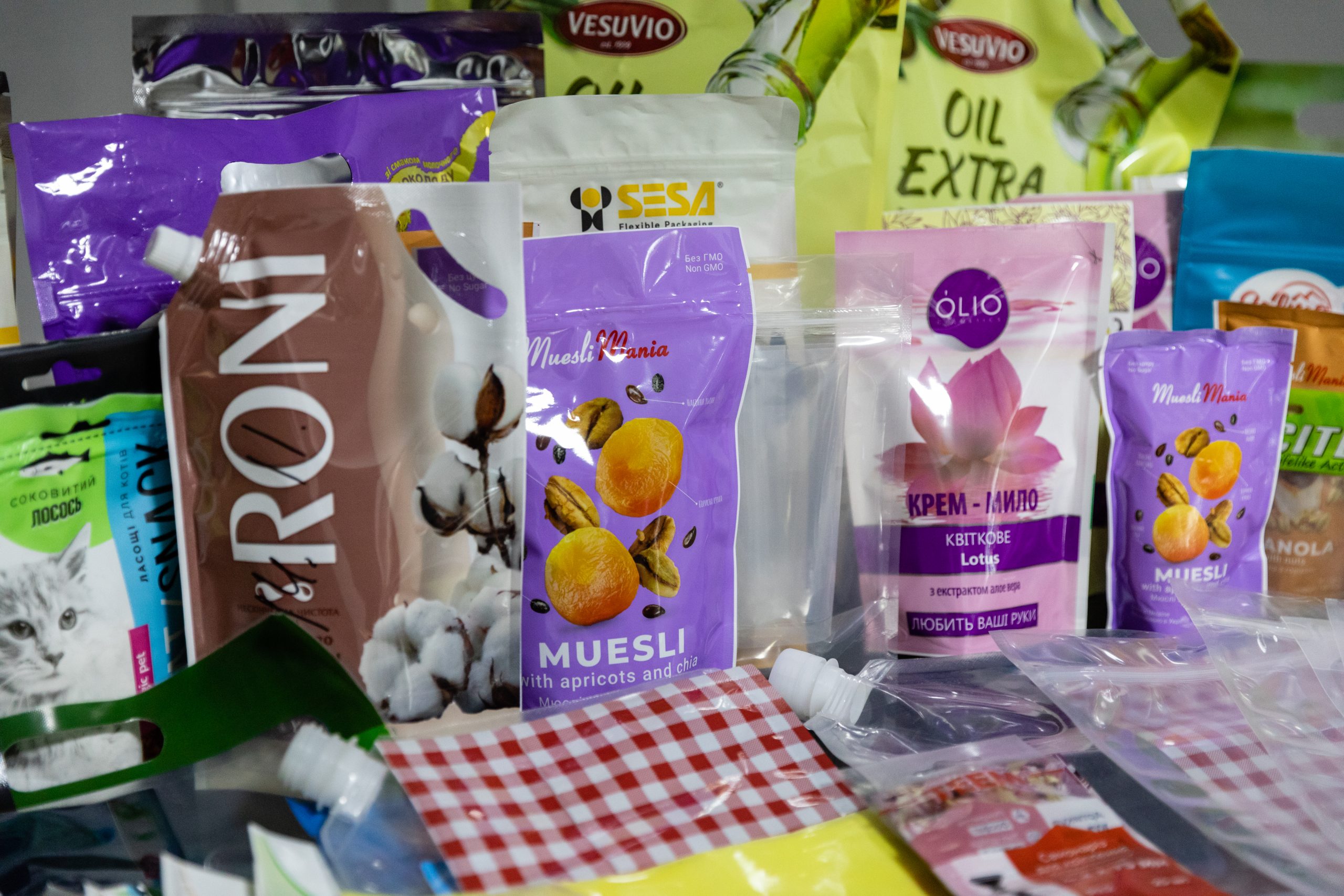
It sounds strange, but it’s a fact: Technopack is a company with products that are physically present in most Ukrainian refrigerators, but its name is little known to the general public.
“You may not have heard of us, but you definitely hold our packaging in your hands every week,” jokes Shymborska.
The company manufactures polymer packaging for the food industry, pharmaceuticals, retail, household chemicals, and animal feed. It is the type of business that ensures the smooth operation of entire industries and almost never makes the news. Stable, honest, quiet work. Until 2022.
The Blow of War: When Life and Business Simultaneously Fall into Darkness
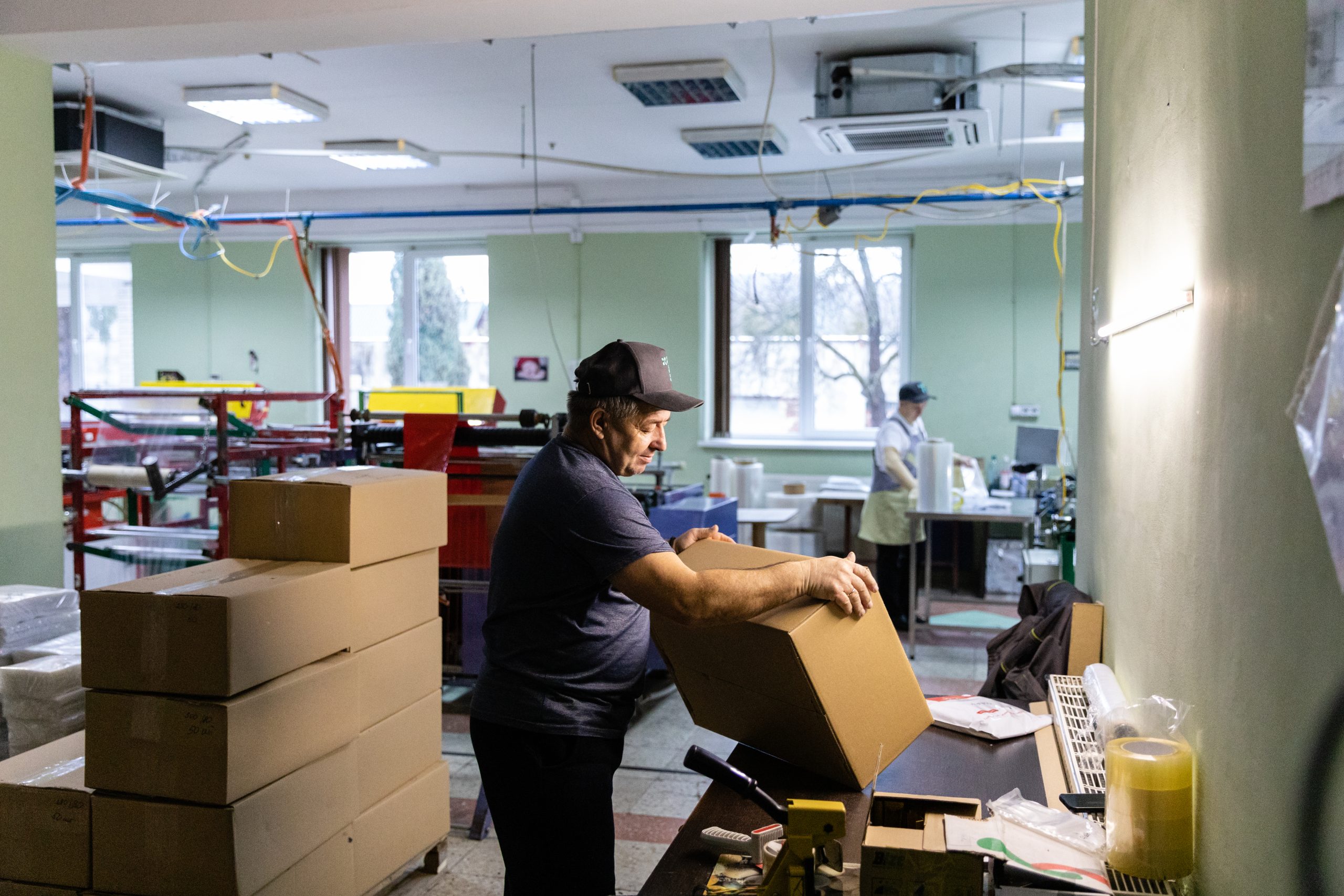
The fall of 2022 was a turning point. Oleksandra’s father, the founder of the company, died. A few weeks later, Russia began systematic attacks on critical infrastructure. Technopack’s production facilities were left without electricity for long hours. Suppliers from Europe refuse to work without 100% prepayment, logistics costs have increased several times over, some employees have been mobilized, and raw materials are running out in warehouses.
“It was a mixture of grief and shock. And also the realization that either I take over the business now, or the company with a 30-year history may not survive until spring,” Oleksandra recalls.
She had to completely shut down the law practice she had run for 15 years and immerse herself in a new reality: production schedules, negotiations with suppliers, finding electricity, purchasing raw materials, team issues. The business operates on a day-to-day basis.
Step One: Viewing Grants amid Mistrust
For many entrepreneurs, the words ‘grant’ and ‘business’ have long been incompatible. A lawyer by training, Shymborska also viewed grants as something suspicious and overly dependent on bureaucracy.
“I knew the saying: never deal with the government. When someone said ‘take a grant,’ I thought, no, that’s definitely not for us.”
But when the business was faced with the need to modernize equipment, find transportation, and somehow reduce financial pressure during difficult months, grants began to look not like a risk, but like an opportunity. The decisive moment came after studying the regulatory framework and consulting with investment advisors. Rationality prevailed over skepticism. This is how Technopack’s grant story began – an effort that would transform production.
Six Support Programs, Five Victories – and Not a Single Coincidence
Between 2023 and 2024, Technopack participated in six different support programs. Five of them were successful:
The EBRD grant program for investment leasing compensation;
The Ministry of Economy grant for processing enterprises;
The Create! program for women entrepreneurs;
The USAID credit program with interest compensation;
The state program Affordable Loans 5-7-9%.
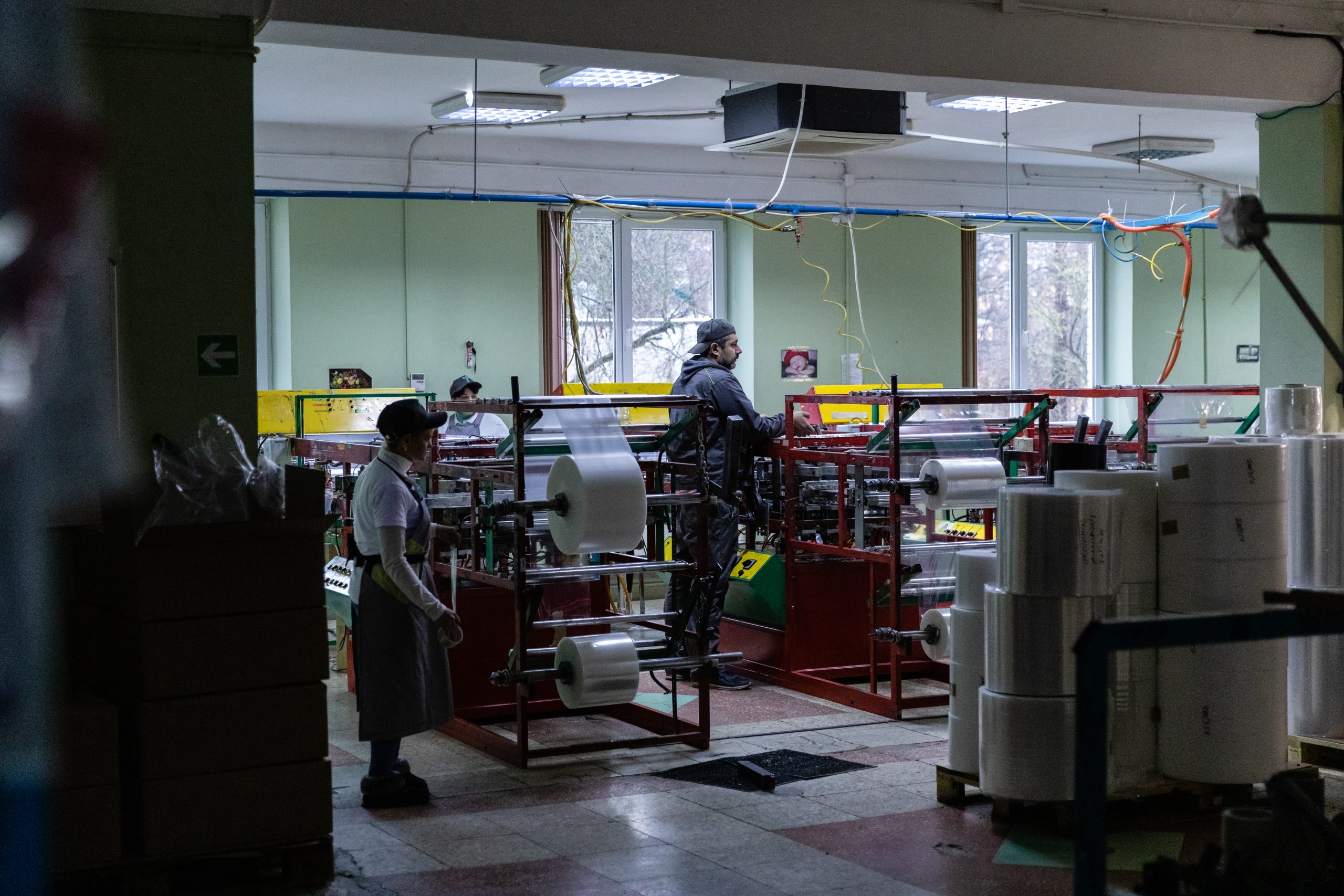
Together, they formed a financial package that allowed the company not only to operate but also to strategically restructure its production processes.
Action Scene: Contractor 20 km from the Front Line
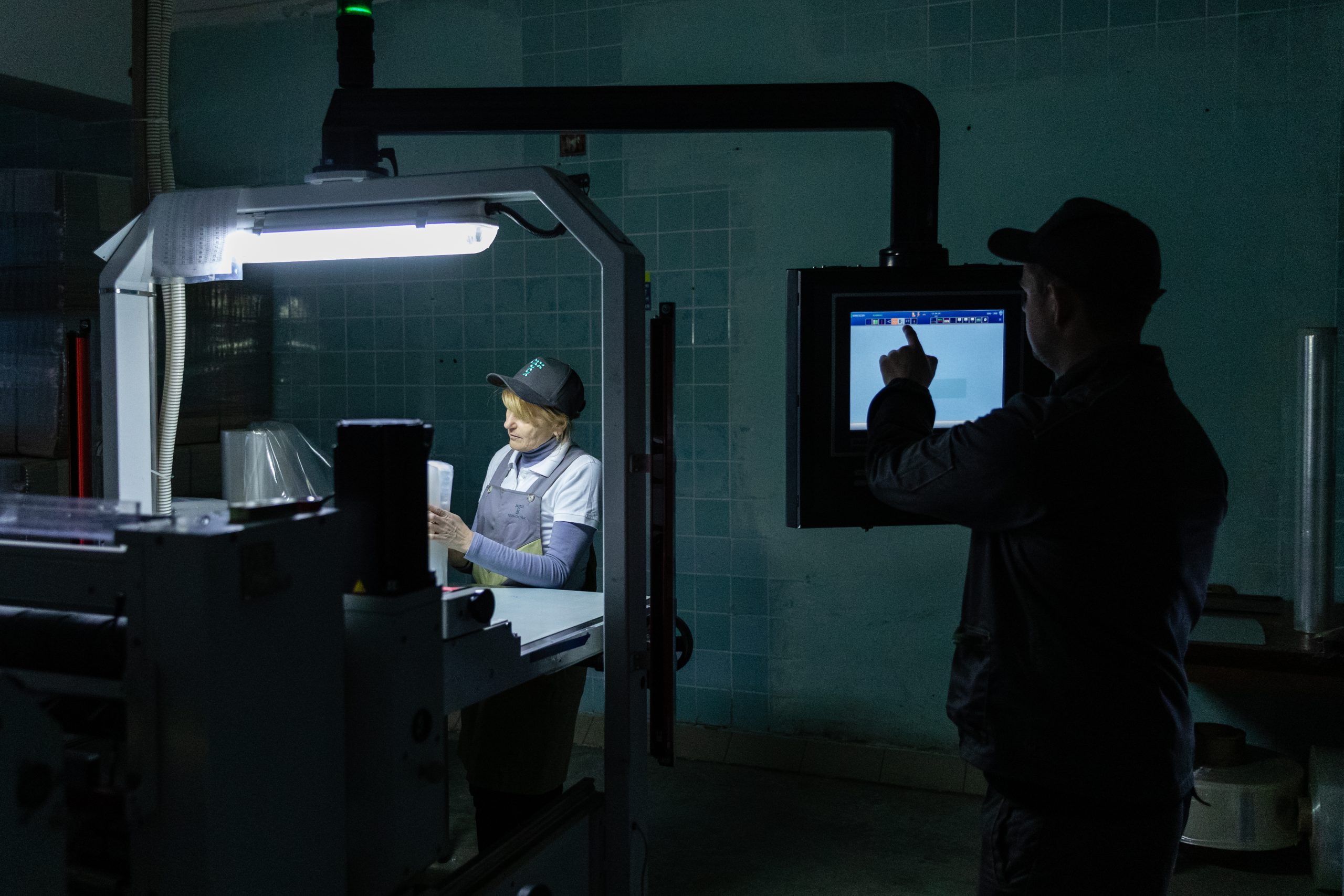
The most striking part of this story concerns a grant for production equipment from the Ministry of Economy. The program’s requirement was clear: the equipment must be manufactured in Ukraine or through a Ukrainian supplier. This complicated the search, as most of the industry’s equipment is imported. After a long search, the company found a manufacturer. An individual entrepreneur. From the Dnipropetrovsk region. From a village located 20 kilometers from the front line.
“I will never forget the moment when we received confirmation that we had been allocated UAH 1.25 Million. My first thought was: wow, really? My second thought was: does this manufacturer even still exist?”
All the risk lenses suddenly converged at a single point. The company made an advance payment: UAH 1.25 Million in grant funds and the same amount of its own funds. And then – waiting. Every morning, the team checked the news: had the area been bombed, had production survived, had the money, equipment, and chance for modernization been destroyed?
It was the riskiest business move Technopack had ever made. And it paid off completely. The equipment was manufactured, delivered, and launched. Thanks to this grant, the company received the status of a critically important enterprise – which means a higher level of personnel, tax, and operational security.
The Loader We Call “Our Ferrari”
At the opposite end of the spectrum is the Create! grant program for women entrepreneurs. The company received $15,000 to purchase a loader — a machine that can replace several workers at once and speed up logistics processes. The team nicknamed it “our Ferrari.”
“It was so simple that we couldn’t believe it: we bought it, reported it, started working – and no unnecessary questions.”
This program was notable for its minimal bureaucracy and maximum transparency – and became a favorite in the company.
EBRD, USAID, and 5-7-9: An Ecosystem for Survival
The EBRD’s support was especially important: the program covered lease payments for a vehicle that was crucial for logistics during times of resource shortages.
The USAID program helped reduce the cost of credit to 7% at a time when inflation and interest rates made credit products virtually inaccessible.
“At some point, it became a game: one grant opens the door to the next. But the main thing is that you have to know exactly what you want.”
After the USAID compensation ended, the company joined the state program “5-7-9” to maintain access to cheap credit resources.
Business Results: Modernization, Staff, Growth, and New Markets
The grants were not “easy money” for the company, but resources that created an acceleration effect. What they gave Technopack:
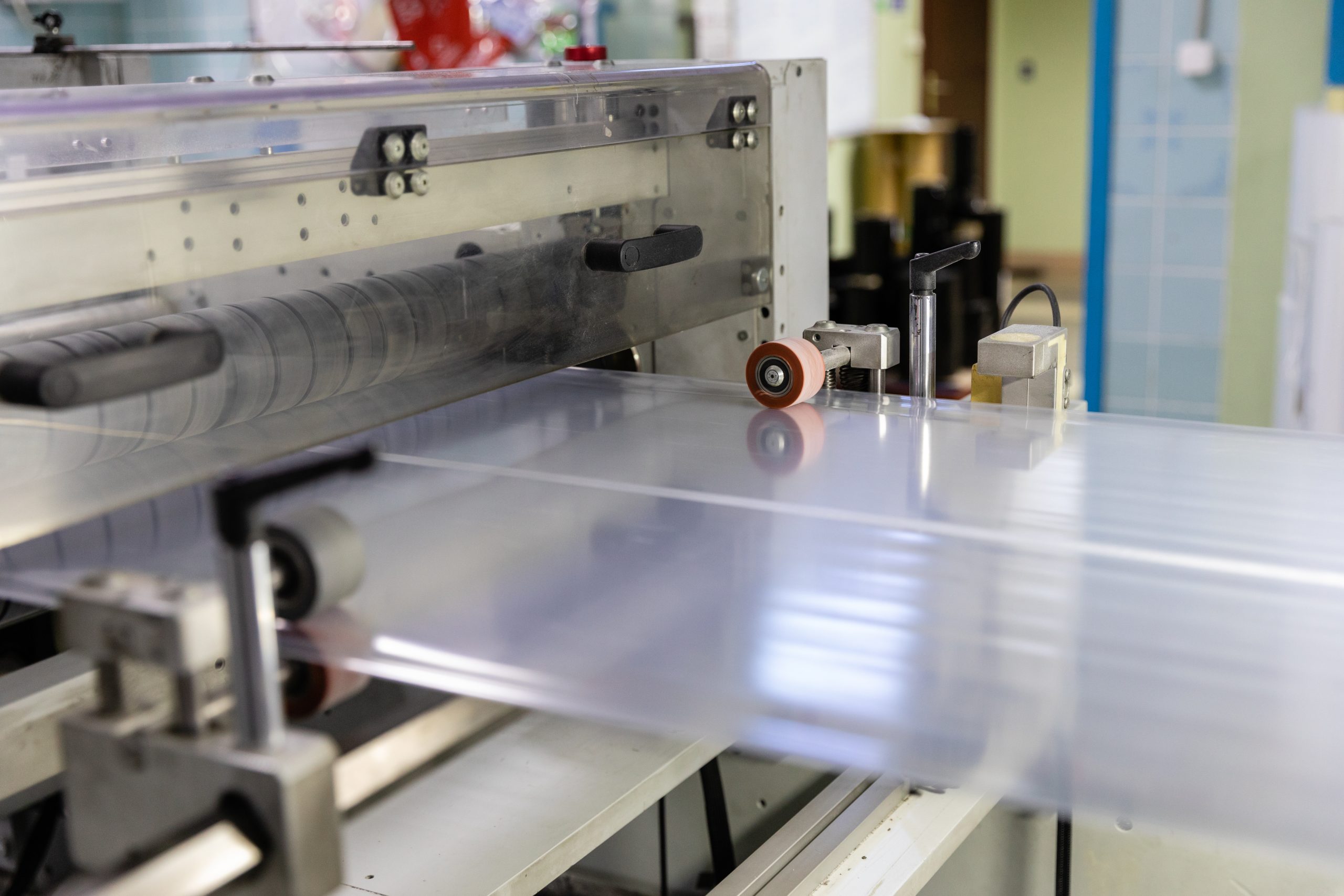
- Modernization of production. New equipment allowed the company to expand its production lines and increase throughput.
- New jobs. The Ministry of Economy grant required the creation of five jobs, and the company exceeded this requirement.
- Critical importance of enterprise status. This means stability for the team and the ability to plan.
- Increased resilience in crisis situations. These funds became the “cushion” that was missing when the market was fluctuating.
- Reputational capital. A company that has successfully implemented several loan and grant projects automatically gains more trust from subsequent programs and partners.
- The option to invest when others were putting development on hold. At a time when most companies were cutting costs, Technopack was buying equipment.
Looking Ahead: “Knock, and the Door Will Open”
Over the past three years, Technopack has attracted approximately UAH 3 Million in grant funding. During a period of energy instability, logistical chaos, and economic ups and downs, this was not just a financial lifeline, but an evolution in business thinking.
“My only regret is that the first grant was so small. If I had known it would work, I would have asked for more,” Shymborska laughs.
Her story is about the courage to make decisions when circumstances seem to be screaming ‘stop.’ It is about how grants are not about freebies, but about responsibility, planning, and ambition. And it is about how even in times of war, Ukrainian business can grow.
“Knock, and the door will be opened. Maybe not the first time. But there are many doors now, and each one leads to opportunities.”