German Investor HHLA Sees Opportunity in Wartime Ukraine, Backing a Dual-Gauge Rail Hub in Zakarpattia.
Foreign investors are not waiting for the war to end to make long-term investment decisions in Ukraine. Germany’s Hamburger Hafen und Logistik AG (HHLA) has taken a controlling stake in a key border logistics asset in Zakarpattia, framing the project as a long-term investment on new trade corridors, EU connectivity, and business growth under wartime constraints.
HHLA acquired 60% of the Eurobridge Intermodal Terminal in Batiovo in June 2025 and is developing it together with Ukrainian investment company Fortior Capital. The deal is positioned as both an infrastructure upgrade and a commercial expansion: building a foothold in a corridor that has become more important as wartime disruption reshaped traditional routes.
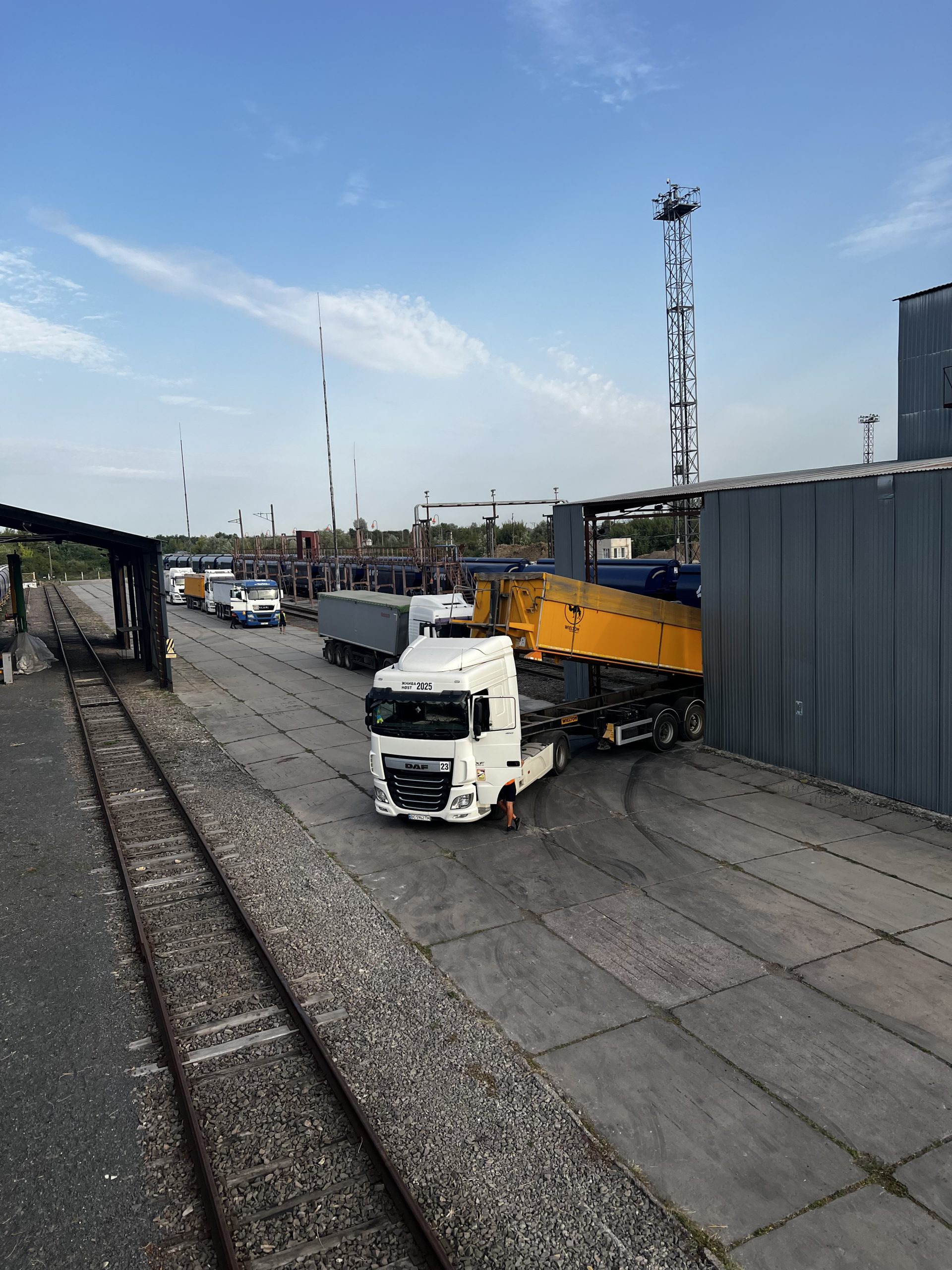
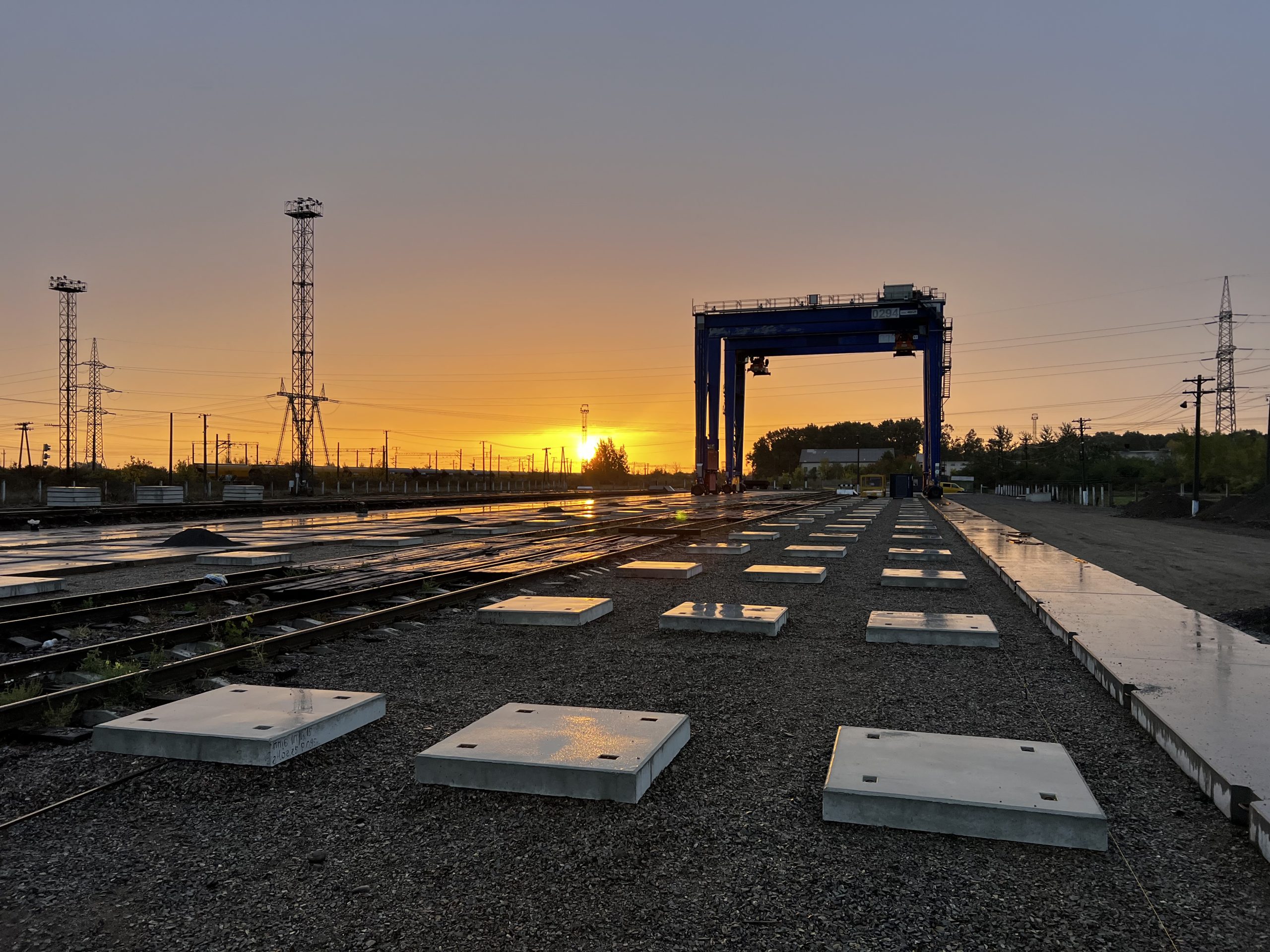
Strategically positioned next to the Chop border crossing at the intersection of key international rail corridors, the terminal is designed as an open-access, multimodal hub linking Ukraine with Hungary and Slovakia. It also connects shippers directly to the European rail network, combining international logistics expertise with local market knowledge.
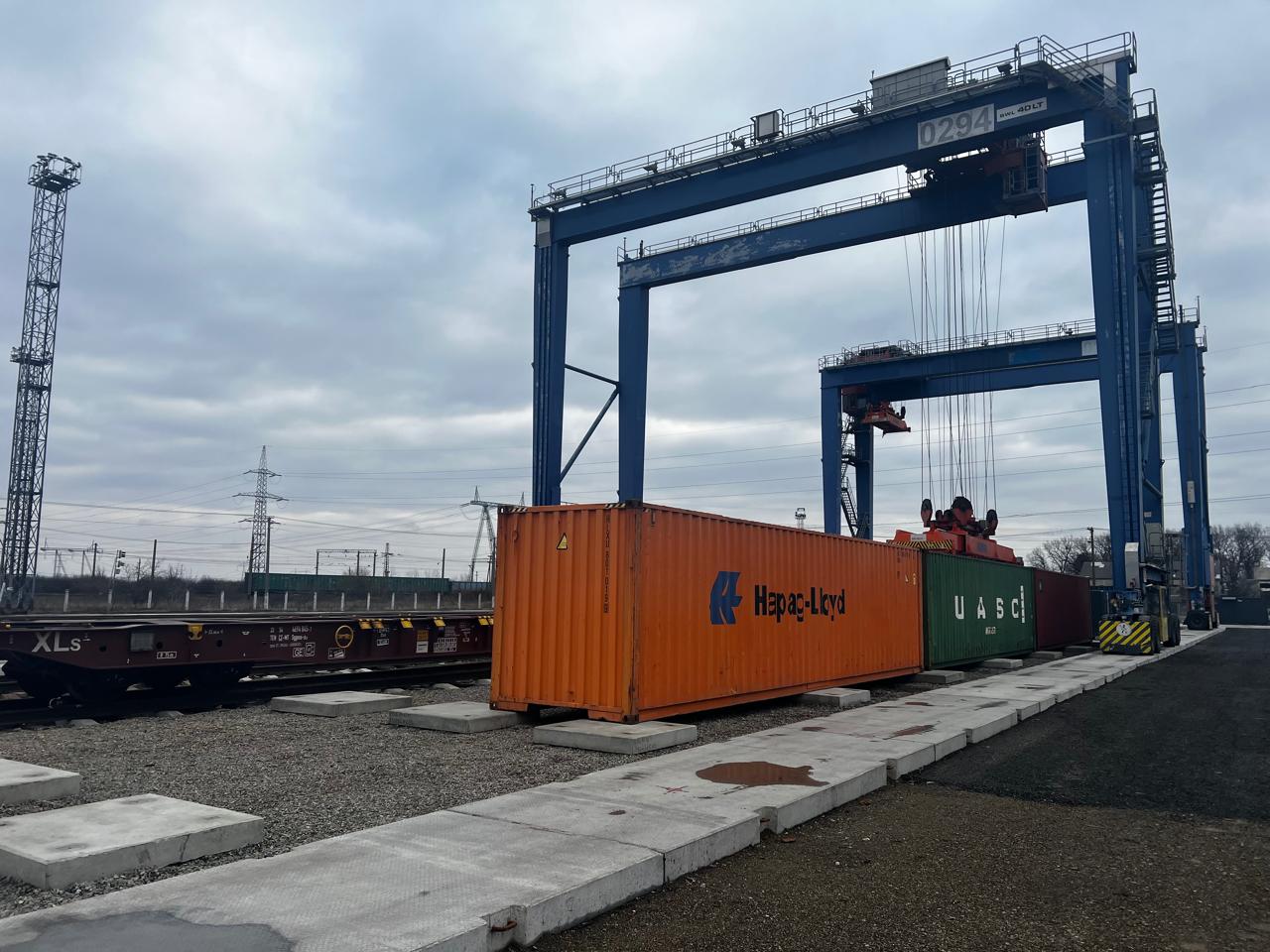
A core advantage of the terminal is its dual-gauge infrastructure: it has both Ukrainian broad gauge (1520 mm) and European standard gauge (1435 mm) rail tracks on site, enabling efficient transfers of containers and bulk cargo between the two networks. Container operations launched in 2025, reinforcing the terminal’s role as a strong gateway for cross-border rail logistics between the EU and Ukraine.
In the first phase of expansion, the terminal is expected to handle around 100,000 TEU per year, supporting the transshipment of containers, grain, and other general cargo, with the option to increase capacity if needed. The terminal’s rail-track capacities include container handling tracks (2 × 1435 mm, total 900 m; 2 × 1520 mm, total 910 m) and bulk cargo handling tracks (2 × 1435 mm, total 880 m; 2 × 1520 mm, total 880 m).
HHLA holds the majority stake and, together with its rail subsidiary METRANS, will be responsible for the terminal’s further development and integration into broader European intermodal services.
Against this backdrop, we spoke with Stephan Dohm, Director of Strategic Development at HHLA International GmbH, about HHLA’s strategic rationale for entering the Batiovo project, the terminal modernization, and how Eurobridge Intermodal Terminal in Batiovo is expected to strengthen rail connectivity between Ukraine and the EU.
– Where did your terminal story begin? How did it start?
– As HHLA we have been active in Ukraine through our terminal operations in the Port of Odesa for more than two decades. We are thus familiar with the Ukrainian transport and logistics market. Since the start of the war, Ukrainian trade flows have significantly changed and new trade corridors started to develop. Rail-based cargo flows between the European Union and Ukraine are expected to considerably grow in the future.
– Why did this border location next to the EU become a key point for developing an intermodal hub linking Ukraine, Hungary, and Slovakia?
– The border location of Eurobridge Intermodal Terminal and related to that its connection to both Ukrainian broad gauge (1520 mm) and European standard gauge (1435 mm) rail tracks are a critical element of the project, as this allows for the efficient transfer of containers and bulk cargo between the two networks. The terminal provides state-of-the art handling services and thus further strengthens the connection between European and Ukrainian logistics networks.
– The terminal is undergoing a major modernization. What key investments and technological changes are you implementing now, and what will be the main differentiator in the region?
– The terminal used to handle only bulk cargo in the past. With HHLA’s entry into the project, an additional focus has been set on container handling. To facilitate fast and reliable container operations, investments have been made into infrastructure, equipment and modern operating software. The terminal is now ready to handle up to 100,000 TEU per year, with potential for further expansion, if and when required. As part of the HHLA Group, the open-access terminal will be able to benefit from the application of best practices and close integration into the transport network of HHLA.
– Many investors mention Ukrainian bureaucracy and the regulatory environment. What administrative barriers have you faced so far (permits, approvals, procedures)?
– Our experiences with the relevant Ukrainian authorities have been professional and constructive. We felt that there was a strong will to ensure the successful development of critical transport infrastructure in the region. Jointly with our strong team in Batiovo and our Ukrainian partner we ensure compliance with all applicable regulations. As a result, we have not faced any major delays regarding permits. Based on that experience, we look forward to further productive cooperation with authorities and regional stakeholders to develop the terminal into a major logistics hub to the benefit of all stakeholders involved.